




That Dark Line Along Your Baseboards Has a Name: Filtration Soil
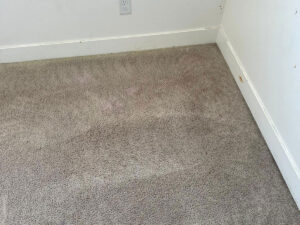
That dark line along your baseboards is called filtration soil. Air moving through your home gets pulled under walls and doors, and the carpet edge filters fine dust and soot out of it, depositing it in the fibers. Vacuuming can’t lift it, and a standard wand can’t reach the last inch — it takes hand edge extraction.
I’m Jimmy Alfakeer, owner-operator of Vital Clean here in Riverton. I’ve been cleaning carpet for 25+ years, and I can tell you there is one mark I see in almost every light-carpet home I walk into in Salt Lake County and Utah County — and it’s the one homeowners ask about with the most worry in their voice. It’s that grey-black line running along the baseboards, like somebody drew around the room with a dirty pencil.
Most people assume one of two things: either the last cleaner missed it, or the carpet is ruined and they’re pricing replacement. Usually, it’s neither. That line was never spilled, and it isn’t ordinary dirt. It has a name — filtration soil — and once you know what it is, you know exactly why your vacuum hasn’t touched it and what actually gets it out.
Where Filtration Soil Shows Up
Filtration soil always appears where air moves through carpet, which means it follows the perimeter, not the middle of the room. Look for it:
- Along baseboards, in a fairly straight line where the carpet meets the wall
- Under closed doors — the dark stripe across a bedroom doorway is the classic case
- Around room edges and along the sides of stairs
- Around floor vents and anywhere air is being pushed or pulled past the carpet edge
Two clues give it away. First, it shows up worst on light carpet, because the deposit itself is dark. Second — and this is the one that confuses people — it appears in rooms nobody walks in. A guest room with the door shut can have the darkest line in the house. If feet didn’t make it, it isn’t traffic dirt. And no, a “stain-resistant” carpet isn’t immune: the truth about stain-resistant marketing claims is that a protective coating does nothing to stop air from depositing soil at the edge of the room.
Why It’s There: Your House Breathes Through Your Carpet
Your furnace and air conditioner move a lot of air through your home. That air has to get back to the return, and it takes every shortcut it can find: under doors, through the gap between the carpet edge and the wall, underneath baseboards. When air squeezes through the carpet at the edge, the fibers do exactly what a filter does — they strip fine particles out of the airstream and hold onto them.
Utah air gives that filter plenty to catch. We live with fine desert dust, winter inversion particulates that hang over the valley, and the everyday soot and cooking and heating by-products any house produces. I’ve written before about how Salt Lake City’s climate affects your carpets — this is that same soil load, concentrated into one line. The closed-door bedroom in winter is the perfect example: door shut all night, furnace running, and every bit of air leaving that room has to pass under the door, through the carpet. Month after month, year after year, the line builds.
That’s also why the line is so stubborn. This isn’t loose dust sitting on top of the pile. It’s fine soil that has been pressed into the fibers at the edge, a little at a time, for years. If you want the bigger picture of what airborne dust does once it’s in your carpet, that’s covered in how dust and allergens hide in your carpet.
Three Dark Marks That Aren’t the Same Thing
Before anybody treats a dark mark, it has to be identified — because three different problems look alike from standing height, and each one has a different cause and a different honest answer. Location tells you the cause.
1. The filtration line — the perimeter
Follows walls, doors, and edges. Caused by air movement. It is real soil, bound into the fiber at the edge of the room — which means it can be extracted, by hand, with the right tool. This is the mark this article is about.
2. Traffic-lane greying — where people walk
Hallways, the path in front of the couch, the route from the front door to the kitchen. Caused by abrasion and oils ground in by feet. Some of it is soil that cleaning removes — and some of it can be true wear, where the fibers themselves have dulled and changed. Cleaning cannot restore worn fiber, and any cleaner who promises otherwise is guessing with your money. There’s a simple way to tell the difference: rub a clean white cloth hard into the lane. If the cloth picks up grey, it’s soil. If the cloth comes up white, it’s wear. That’s the same check I run at the end of every job — I explain it fully in the White Cloth Test.
3. A spill stain — one localised spot
Something was spilled in one place: coffee, wine, a pet accident. Spots like these can wick back up the fiber as the carpet dries, or leave residue that attracts fresh dirt — which is why a stain “comes back” a week after cleaning. That’s a different problem with a different fix, covered in our complete guide to removing carpet stains in Salt Lake City.
Perimeter means airflow. Walkway means traffic. One spot means a spill. Getting that diagnosis right is the whole job — treating an airflow problem like a spill just wastes your money.
Why Your Vacuum — and a Standard Wand Pass — Miss It
Homeowners ask me why the line survived their last professional cleaning. Here’s the honest answer, and it isn’t that the cleaning was faked.
Your vacuum is built to lift loose debris off the surface. Filtration soil is bound into the fibers at the very edge, in the corner where a vacuum head can’t seal or work. You can vacuum that line every day and it will not change — the soil isn’t loose, and it isn’t on top.
A standard cleaning wand is built for the open field of the room. Run it up to a baseboard and it physically cannot seal against the wall or angle into the last inch of carpet. Most wand passes give the edge a glide-over at best. So a room can be honestly cleaned — the field bright, the traffic lanes improved — and still show the line, because the edge was never detailed. Edge work is separate work: slower, by hand, on your knees. That’s exactly why it gets skipped on a fast, cheap clean.
How We Treat It: Hand Edge Extraction
On our professional carpet cleaning service, the edges are their own step, not an afterthought. After the room is cleaned, I work a hand edge extraction tool — a small crevice tool made for corners — into the last inch along the baseboards and across the door lines, extracting the deposited soil out of the fibers where the wand couldn’t reach. It’s the same detail step we use on stairs, which collect the same build-up along their edges — see stair carpet cleaning for how we handle those.
The room itself is cleaned with our Advanced Hydroxidation Cleaning Technology® and deep extraction, and every job ends the same way: the white cloth proof, pressed into the carpet and shown to you, so you can see the clean instead of taking my word for it.
I’ll be straight with you about the pace, too: hand edge work is slow. A room’s worth of baseboards takes real time. That’s the cost of getting the last inch — and it’s the inch you’ve been looking at.
The Honest Part: What Comes Out, and What May Not
Most filtration lines improve substantially with hand edge extraction — often dramatically, especially on carpet where the line is mostly deposited soil. But I won’t promise you every dark edge disappears completely, and you shouldn’t believe anybody who does. Here’s why:
- The soil is old. It built up a little at a time over years and can be bound deep in the fiber. Some carpets keep a faint shadow even after proper edge extraction.
- Some dark edges aren’t soil at all. Stair noses and heavy traffic lanes can be wear — dulled, damaged fiber. Wear doesn’t extract. If that’s what you’re looking at, I’ll tell you at the assessment, before any work starts.
- A dark line is not a death sentence for the carpet. Homeowners price out replacement over this mark all the time. Before you do, read why clean it when you can restore it — a professional evaluation costs you nothing but a visit, and it beats replacing carpet that was never ruined.
That’s how I work: I come out, look at the job in person, tell you straight whether you’re looking at soil or wear, and give you the exact price in writing before any work starts. No work begins until you’ve seen the number and said yes.
How to Slow It Down
You can’t seal a house airtight, and I won’t pretend prevention makes the line impossible. But you can slow it down a lot:
- Change your furnace filter on schedule. The less fine soil circulating in your air, the less there is to deposit at the edges.
- Vacuum the edges with a crevice tool. Your regular vacuum head skips the corner. A crevice attachment along the baseboards picks up loose dust before it binds into the fiber.
- Mind the gaps. Big gaps under doors and along baseboards are airflow highways. Door sweeps and sealing obvious gaps reduce how much air is forced through the carpet edge — and leaving bedroom doors open when you can balances the airflow.
- Don’t let it get years deep. Regular professional cleaning that includes edge detailing keeps the deposit from building into the stubborn, fiber-bound kind.
Questions Homeowners Ask Me About Filtration Soil
What is the dark line along my baseboards?
It’s called filtration soil. Air moving through your home gets pulled under walls and doors, and the carpet edge filters fine dust and soot out of that air, depositing it into the fibers. It’s airborne soil, not a spill and not ordinary traffic dirt — which is why it follows the walls and shows up even in rooms nobody walks in.
Can filtration soil be cleaned, or is my carpet ruined?
In most cases it can be substantially improved with hand edge extraction — a small crevice tool worked into the last inch along the baseboard, where a wand can’t reach. Complete removal isn’t guaranteed on every carpet, because the soil is old and can be bound deep in the fiber. And if a dark edge turns out to be fiber wear rather than soil, no cleaning restores it — a good cleaner will tell you which one you have before you pay for anything.
Why didn’t my last carpet cleaning remove the line?
Because a standard cleaning wand can’t seal against a baseboard or angle into the last inch of carpet. The open field of the room gets cleaned; the edge gets a pass-over. Removing a filtration line is separate, slower hand work — edge detailing — and it’s the first thing skipped on a fast, cheap clean.
Why is the line worst under my bedroom door?
A closed door is an airflow bottleneck. With the furnace or air conditioner running, air in a closed bedroom has one way out — under the door — and it has to pass through the carpet to get there. The carpet under that door filters more air than anywhere else in the house, so the line builds fastest there, especially through a Utah winter with the heat running and the doors shut.
How do I keep the dark line from coming back?
Change your furnace filter on schedule, vacuum along the baseboards with a crevice tool, reduce big airflow gaps under doors and along baseboards where you can, and have the edges detailed when you get the carpet professionally cleaned. That slows the build-up a lot — but since the cause is your home’s airflow, no honest cleaner will promise it can never return.
That Line Isn’t Ruin — It’s a Diagnosis
A dark line along your baseboards doesn’t mean your carpet is finished. It means your house has been filtering its own air through the edge of your carpet, probably for years — and that the fix is a specific, unglamorous piece of hand work most cleanings skip.
If you’ve got the line, book an on-site assessment online or call or text me at 801-793-0906. I’ll tell you straight whether you’re looking at soil or wear, give you the exact price in writing before any work starts, and stand behind the result the same way I always do: love it or it’s free. Vital Clean is IICRC Certified and owner-operated — I’m the technician in your home — with 974 Google reviews at 4.9 stars from homeowners across Salt Lake County and Utah County.
— Jimmy